Bring the Finish Back to Life
Beautiful paint is not just about being clean. Swirl marks, fine scratches, oxidation, haze, and improper washing can gradually reduce the clarity and depth of even an otherwise exceptional vehicle.
S-Works Detailing provides professional paint correction in Oceanside for luxury, performance, exotic, and enthusiast vehicles throughout Coastal North County, San Diego. We carefully evaluate the condition of the finish, determine what can realistically be improved, and refine the paint to restore a cleaner, deeper, and more reflective appearance.
Clean Paint Doesn't Ensure Quality.
A freshly washed vehicle can still show years of accumulated surface defects under direct light. Fine circular scratches from improper washing may appear around the entire car. Automated washes can leave visible marring. Water spots, oxidation, and previous detailing work can reduce the clarity of the finish.
These imperfections scatter light instead of allowing the paint to reflect it cleanly. Paint correction is the process of carefully refining the clear coat to reduce those visible defects and restore clarity. The objective is not simply to make the vehicle shiny. It is to improve the condition of the surface itself.
What Paint Correction Can improve.
Swirl Marks
Swirls are often most noticeable under sunlight, parking-lot lighting, or inspection lights. Paint correction can significantly reduce many of these defects and restore a clearer appearance.
Fine Scratches
Light surface scratches may be correctable depending on how deeply they extend into the clear coat. The goal is meaningful improvement without unnecessarily compromising the finish.
Paint Haze & Dullness
Over time, paint can lose some of the clarity and depth that originally made the vehicle stand out.Refining the surface can improve reflection and help the color appear richer and more defined.
Water Spotting & Surface Etching
Some water spots and environmental marks can leave visible defects in the finish. Whether they can be safely corrected depends on their severity and how deeply they have affected the surface.
Previous Detailing Defects
Poor polishing can sometimes leave holograms, buffer trails, or other visible defects. Proper paint correction can help refine these areas and create a more uniform finish.
- The S-works Process -
Inspect. Refine. Protect.
Five Steps. One Standard.
A deliberate step-by-step approach to restoring your finish.
01
INSPECT THE FINISH
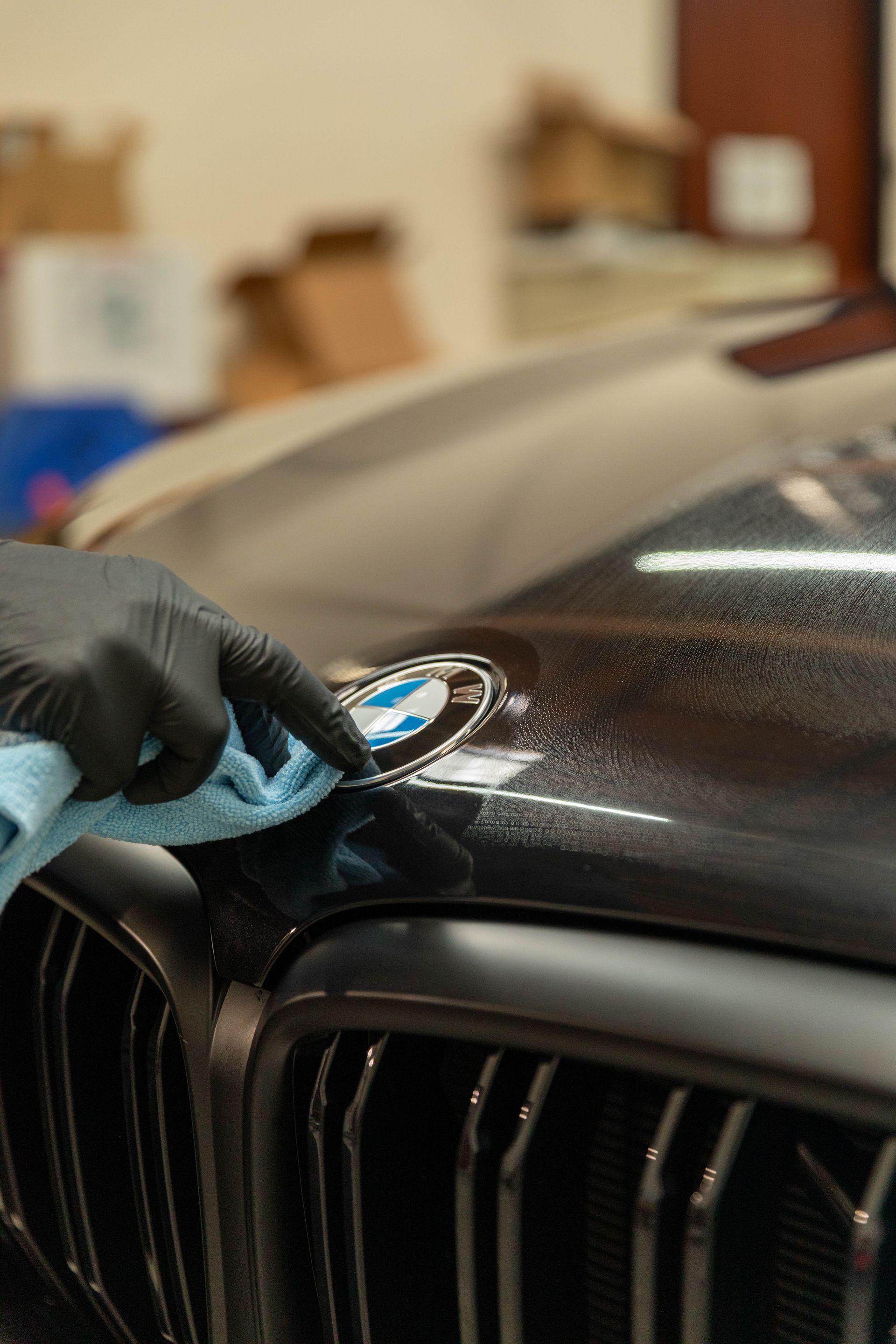
We evaluate the paint under prepper lighting to identify existing defects and discuss your goals.
02
CLEAN & DECONTAMINATE
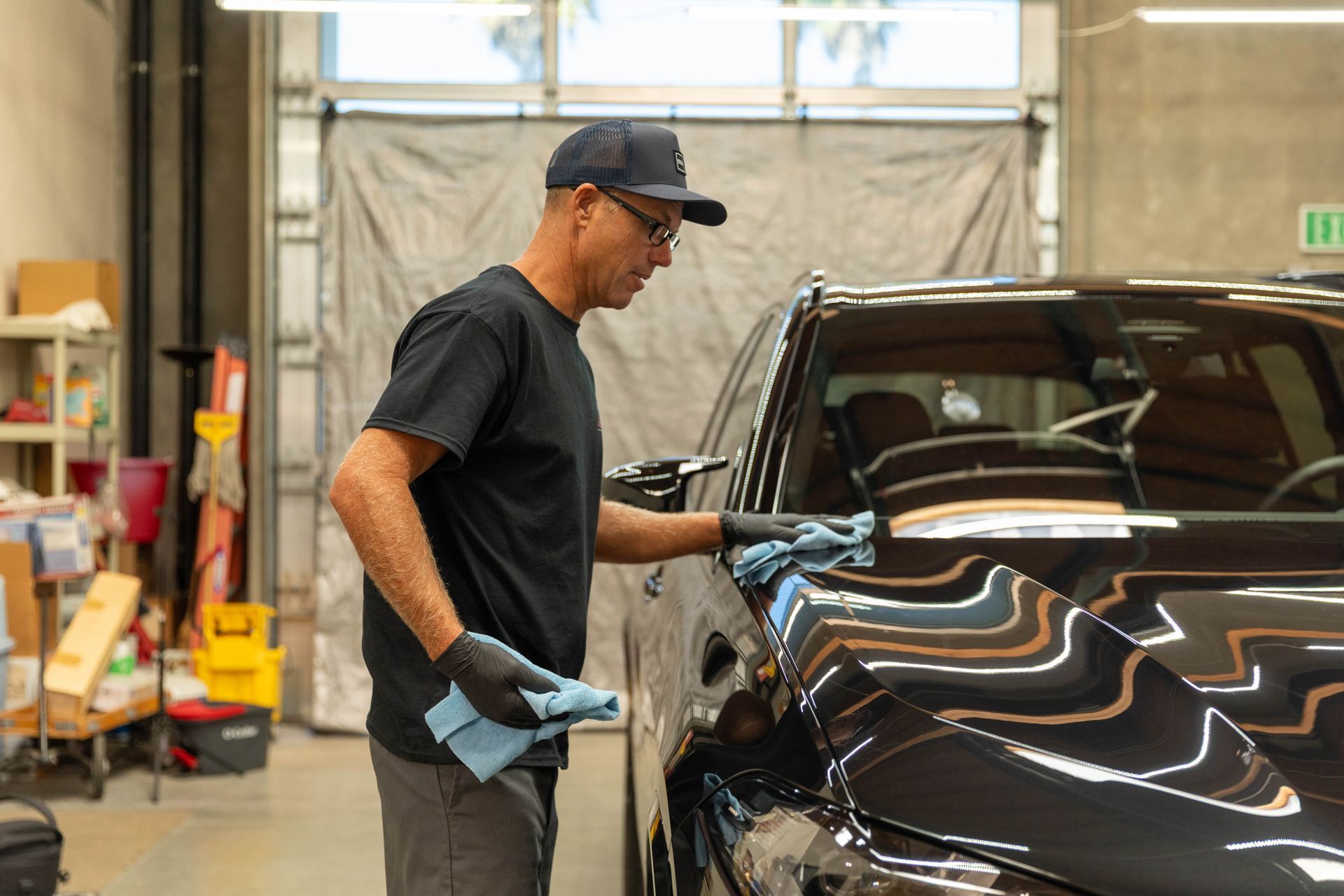
The surface is thoroughly cleaned to remove bonded contaminants before polishing begins.
03
CORRECT THE PAINT
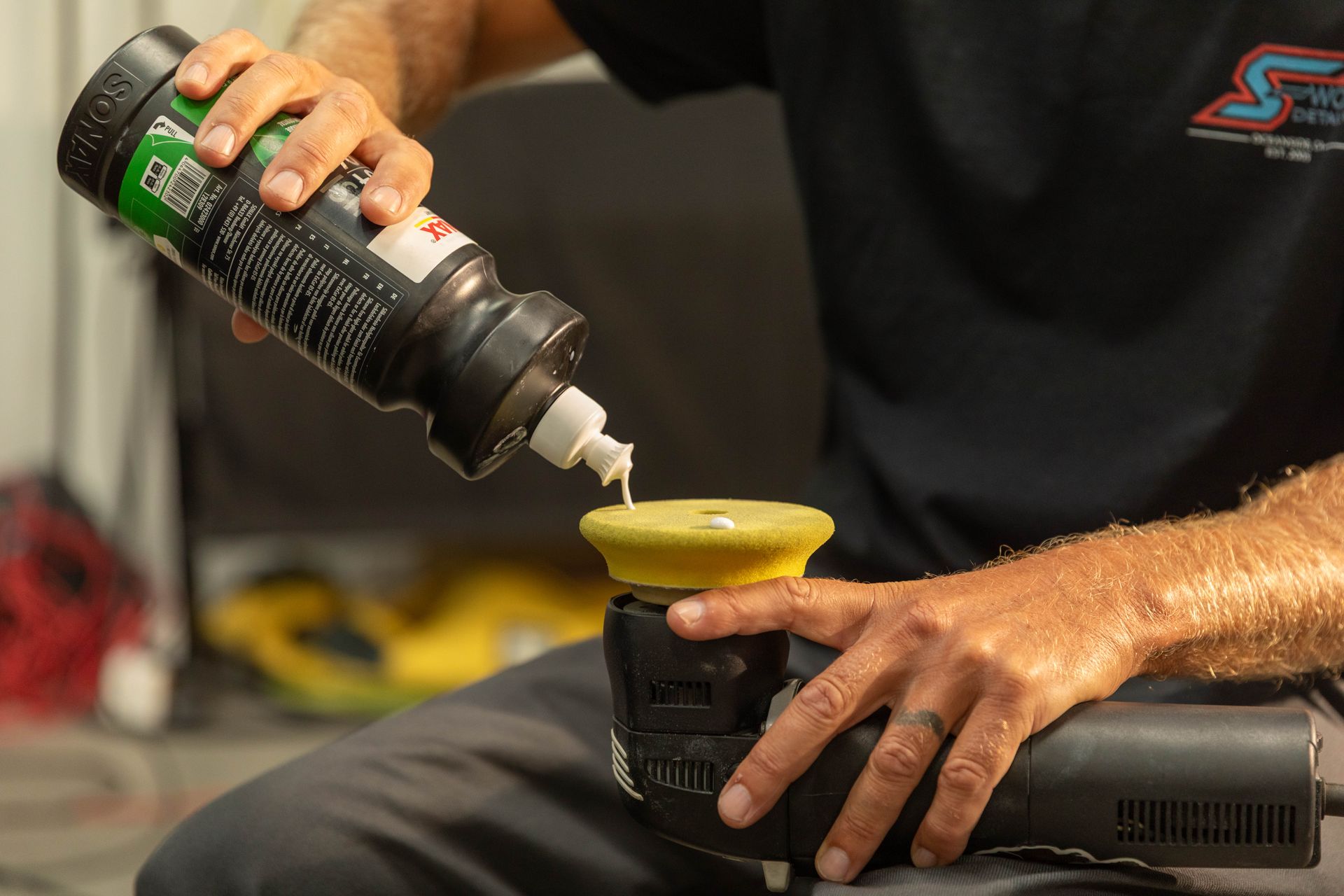
We use a measured approach to remove or reduce defects based on the condition of your vehicle.
04
REFINE & INSPECT
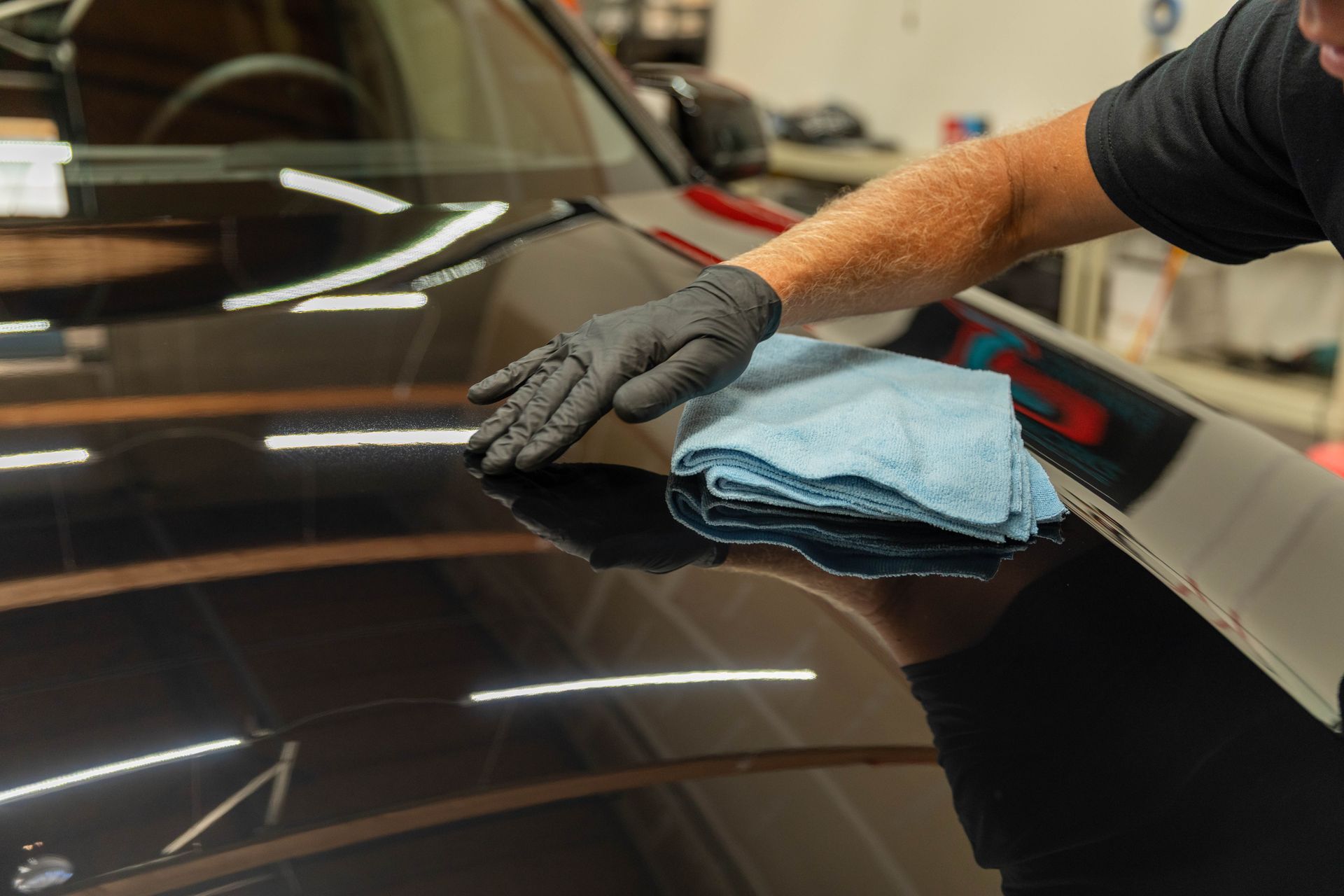
The finish is reviewed under multiple lighting conditions to ensure a consistent result.
05
PROTECT
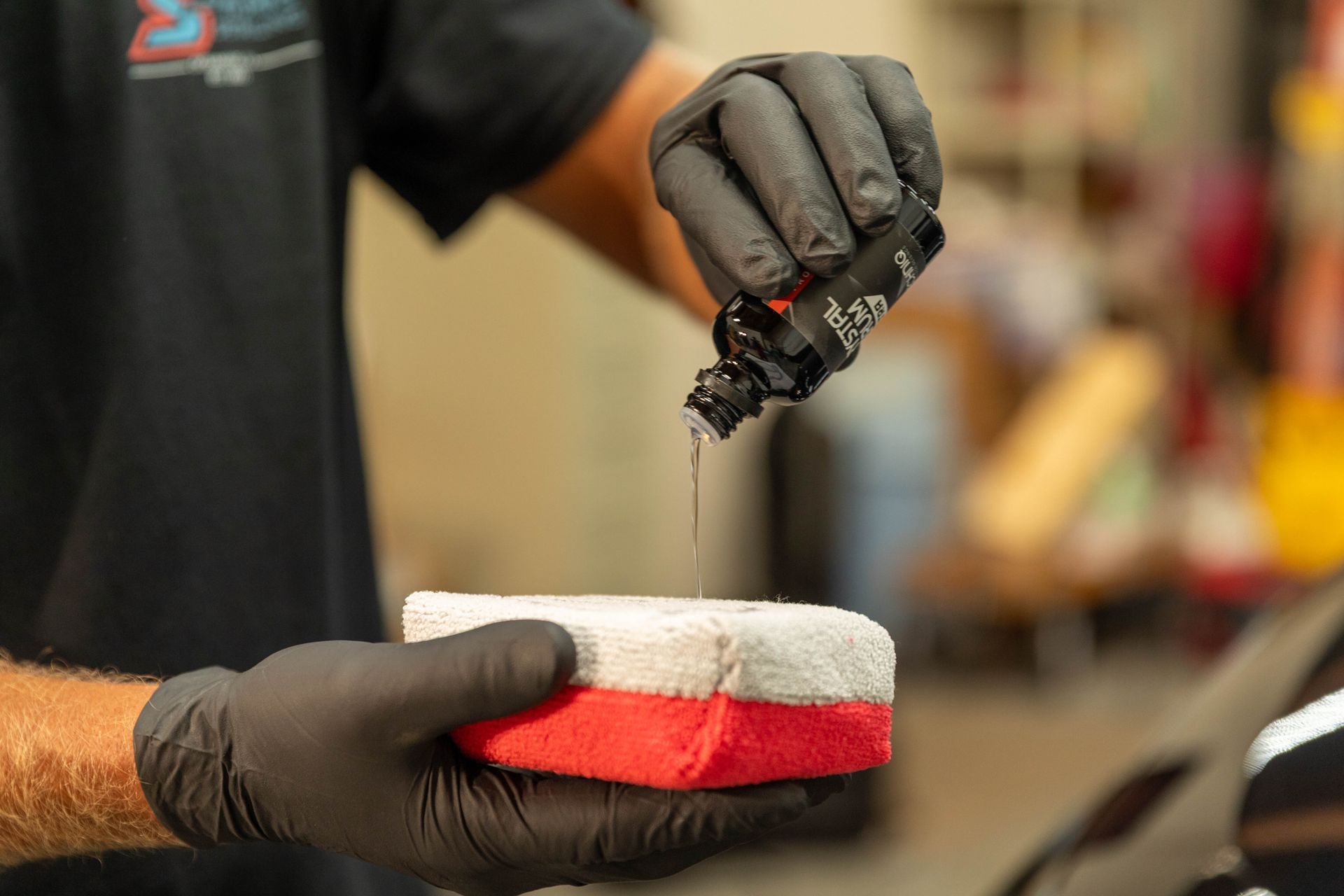
Once corrected, we can apply ceramic coating or PPF to help maintain the finish long-term.
Before Ceramic Coating, Get the Paint Right
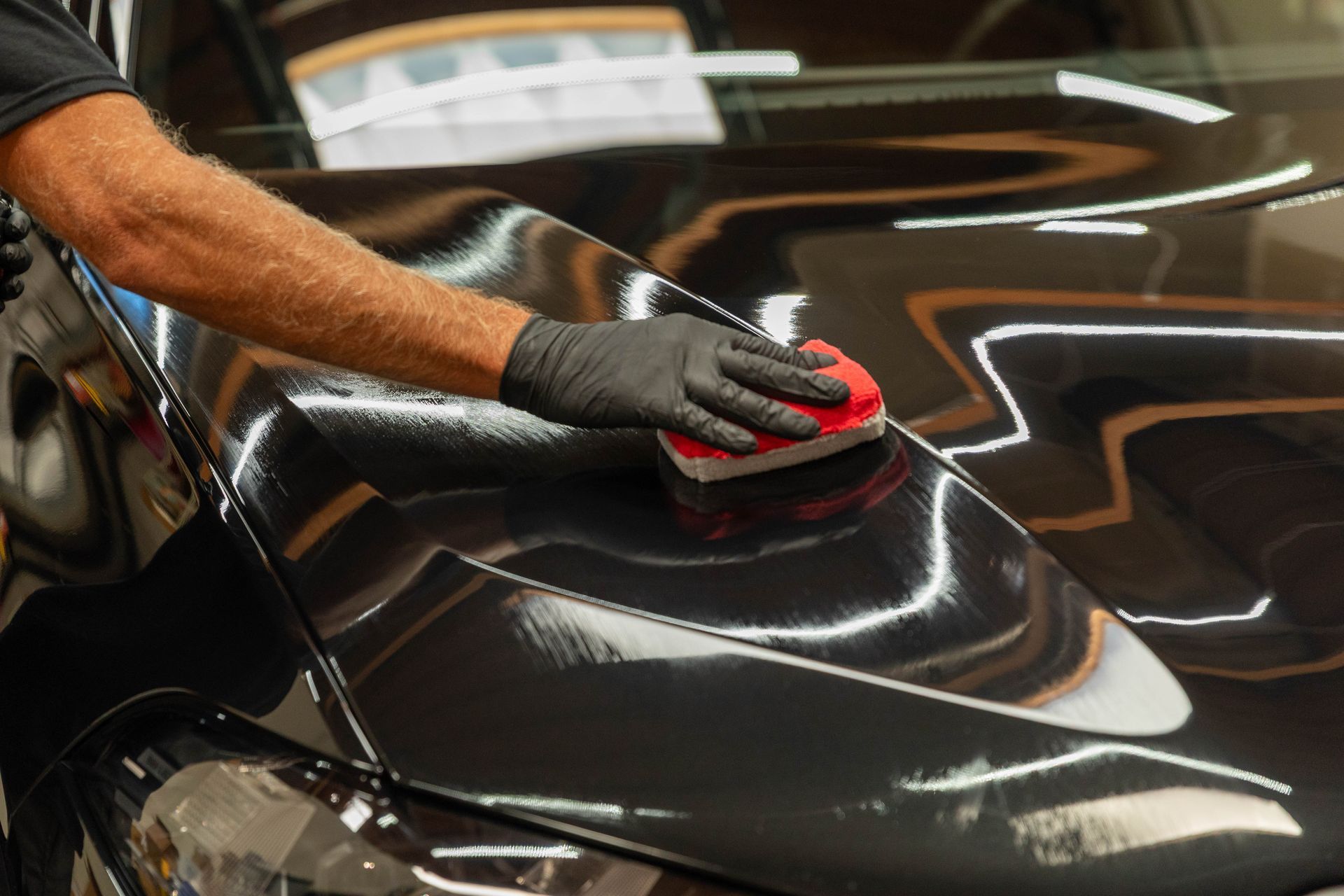
A ceramic coating does not remove existing swirl marks or scratches. If the coating is applied over compromised paint, those imperfections can remain visible underneath the protection. For that reason, paint correction is often recommended before ceramic coating when the surface needs improvement. The sequence is straightforward: Evaluate the paint, correct the appropriate defects, properly prepare the surface, and apply protection. That allows the coating to protect a finish you are actually satisfied with.
Before PPF, Evaluate the Surface First
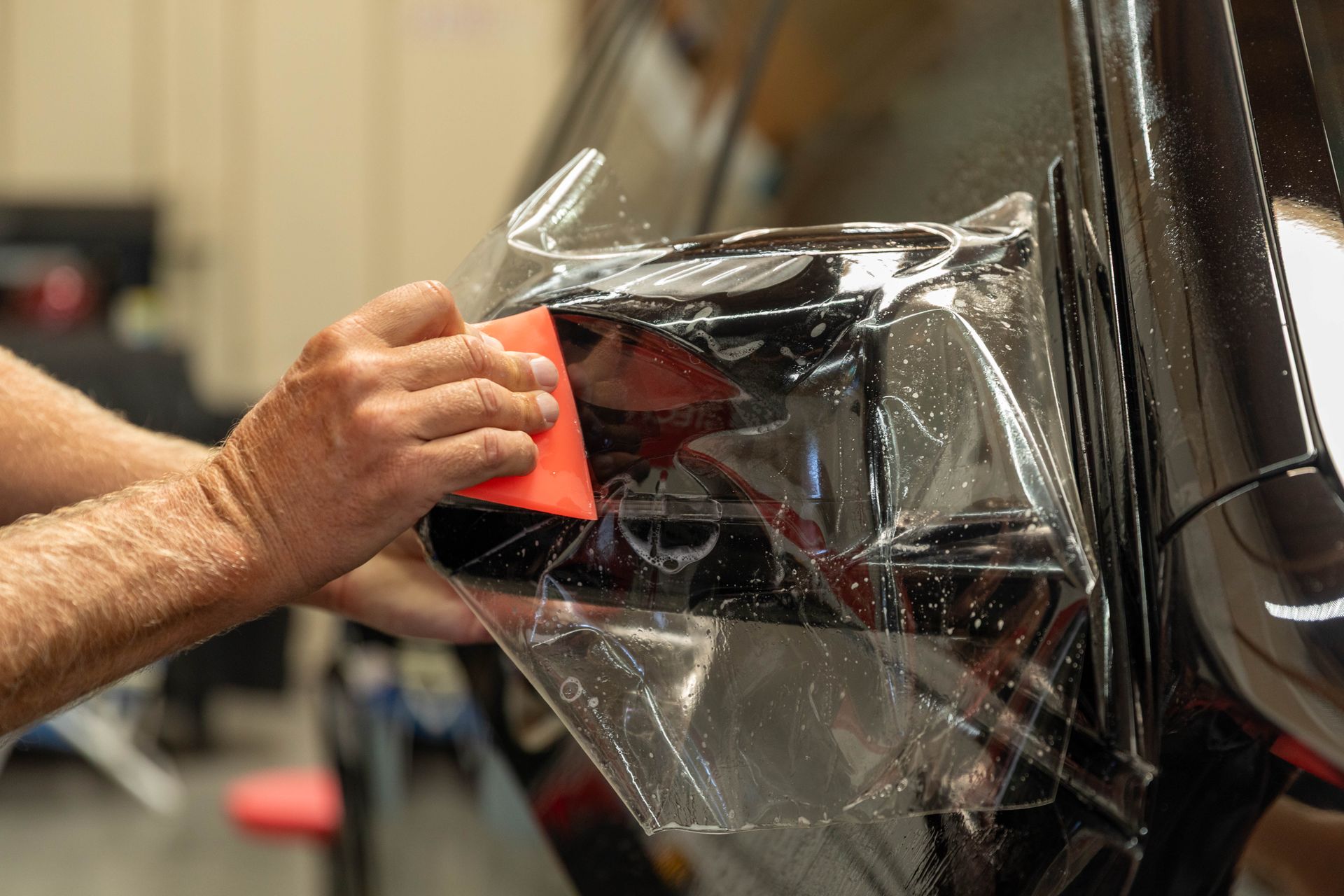
Paint protection film is another service where preparation matters. PPF creates physical protection over the underlying finish, but it does not automatically correct imperfections that already exist. If the vehicle has visible swirls, scratches, or haze, it may make sense to address some of those issues before film installation. The amount of correction required depends on the condition of the paint, the areas being protected, and the owner's expectations. For customers considering both services, S-Works can plan the preparation and protection as one project.
Paint Correction vs. Polishing
The terms are often used interchangeably, but they do not always describe the same level of work. A basic polish may be primarily intended to improve gloss. Paint correction is a more deliberate process focused on reducing measurable visual defects in the finish. It may involve one or multiple polishing stages depending on the condition of the paint and desired result. The number of stages alone does not determine quality. What matters is using the amount of correction necessary to achieve the intended result safely.
Paint Correction vs. Waxing
Wax can enhance gloss and temporarily improve the appearance of paint, but it does not physically remove swirl marks or scratches. Some products may visually mask minor defects for a period of time. Paint correction works differently. The surface itself is refined so many correctable imperfections become genuinely reduced rather than simply covered. That makes paint correction the appropriate service when the problem is the condition of the finish, not merely the absence of protection.
- S-works Detailing Standard -
How We Think About Premium Paint
We're more than a detail shop. We're automotive enthusiasts who take pride in our craft. With our 20 years of experience, we provide a one-on-one experience, premium products, and careful workmanship on every vehicle.
20+ Years Experience
A proven track record with luxury, exotic, and performance vehicles.
One-on-one attention
Your vehicle gets our focus, not a production line approach.
Premium Products & Techniques
We use industry-leading coating and professional application methods.
Careful, Detailed Craftmaship
Every vehicle is treated with the same level of care and precision.
Paint Correction FAQs
What is paint correction?
Paint correction is the process of mechanically refining automotive paint to reduce visible surface defects such as swirl marks, fine scratches, haze and some forms of oxidation or etching.
Can paint correction remove every scratch?
No. The amount of correction possible depends on how deep the defect extends and how much clear coat can safely be refined. Deeper damage may remain visible to some degree.
Will paint correction permanently remove swirl marks?
When a defect is genuinely corrected rather than temporarily filled, that particular defect has been reduced or removed from the surface. New swirl marks can still be introduced later through improper washing or maintenance.
How many stages of paint correction does my car need?
That depends on the condition of the paint and the desired result. Some vehicles respond well to lighter refinement, while others require multiple polishing steps. S-Works determines the approach after inspecting the vehicle.
Does a new car need paint correction?
Most of the time. New vehicles can have defects introduced during transportation, dealership preparation or washing. An inspection determines whether correction is necessary.
Should I get paint correction before ceramic coating?
If the paint has correctable defects you want removed, correction should generally be considered before the coating is applied. Ceramic coating protects the finish but does not remove the imperfections underneath.
Should I get paint correction before PPF?
It depends on the condition of the paint, where film will be installed and your expectations. Addressing visible defects beforehand may provide a better foundation for the finished PPF installation. Ceramic coating or ppf will will become the new functional layer of your paint.
Does paint correction make the paint thinner?
Paint correction refines a small amount of the clear coat as defects are removed or reduced. That is why correction should be performed deliberately rather than aggressively chasing every imperfection.
How long does paint correction take?
Timing depends on vehicle size, paint condition, correction goals and how many polishing stages are appropriate. A more accurate timeframe can be provided after evaluating the vehicle.
How much does paint correction cost?
Pricing depends on the size of the vehicle, paint condition and level of correction required. A relatively mild refinement is a different project from correcting years of significant surface defects.
- Protect Your Investment -
Don't Protect Paint You Aren't Happy With Yet
If swirl marks, haze, and scratches are the first things you notice when light hits your vehicle, putting another product on top is not necessarily the first step. Start with the surface.
S-Works can evaluate the finish, explain what can realistically be improved, and recommend the appropriate path from correction to protection.
Service Area
- Oceanside
- Carlsbad
- Encinitas
- Vista
- San Marcos
- San Diego
- Orange County
- Temecula
- and the surround areas